Stephanie Script: A Modern Script Font for Strategic Design
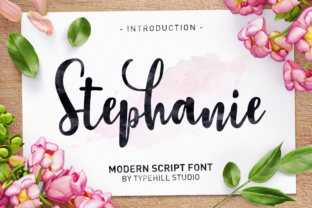
Stephanie Script is more than just a font—it's a design tool that can elevate your visual communication. With its irregular baseline and trendy, feminine style, it offers a unique aesthetic that stands out in a crowded digital landscape. Whether you're designing wedding invitations, logos, or marketing materials, Stephanie Script provides a versatile and expressive option for creative professionals and business owners alike.
This modern script font supports multiple languages, making it ideal for global audiences. Its initial and terminal letters, alternates, and ligatures add depth and character to any project. But beyond its visual appeal, Stephanie Script also has strategic value when used intentionally. Understanding how and when to apply it can help you achieve better results in branding, communication, and design planning.
Why Stephanie Script Matters in Modern Design
In today’s competitive market, visual identity plays a crucial role in shaping perception. Stephanie Script offers a fresh alternative to traditional fonts, allowing designers to create a more personal and authentic look. Its irregular baseline adds a sense of movement and energy, which can be especially effective in branding that aims to feel modern and approachable.
For entrepreneurs and small business owners, the right font can make a significant difference in how a brand is perceived. Stephanie Script can help position a brand as creative, stylish, and emotionally resonant. This is particularly valuable for businesses targeting younger, fashion-conscious audiences or those looking to stand out in industries like weddings, fashion, or lifestyle branding.
When used strategically, Stephanie Script can enhance the emotional impact of a message. Whether it's a thank-you card, a quote, or a logo, the font’s soft, flowing lines can evoke feelings of warmth, elegance, and sincerity—qualities that are essential in building trust and connection with an audience.
Strategic Use Cases for Stephanie Script
Stephanie Script is most effective when it aligns with the goals of a project. For example, in wedding invitations, it can convey a sense of romance and sophistication. In business cards, it can add a touch of personality without sacrificing professionalism. The key is to match the font’s characteristics with the intended message and audience.
Consider the following use cases:
- Wedding Invitations: Stephanie Script can add a personal, elegant touch to wedding stationery, helping couples express their unique style.
- Logo Design: Its irregular baseline and fluid form make it a great choice for logos that aim to feel modern and artistic.
- Greeting Cards: Whether for birthdays, holidays, or thank-you notes, Stephanie Script can bring a warm, handwritten feel to digital or printed cards.
- Marketing Materials: Used sparingly, it can add a distinctive flair to brochures, social media posts, or email campaigns.
Each of these applications requires thoughtful consideration of how the font interacts with other design elements. It should complement, not overpower, the overall composition.
Planning Your Approach with Stephanie Script
Before integrating Stephanie Script into a project, it's important to plan carefully. Start by defining the purpose of the design. What message do you want to convey? Who is your target audience? How does the font fit into your brand’s visual identity?
One practical tip is to test the font in different contexts. Try it on various backgrounds, sizes, and layouts to see how it performs. Pay attention to readability, especially in larger blocks of text. While Stephanie Script is beautiful, it may not be the best choice for long paragraphs due to its decorative nature.
Another consideration is consistency. If you’re using Stephanie Script in a brand’s visual assets, ensure that it’s used in a way that maintains a cohesive look across all platforms. This includes websites, social media, print materials, and packaging.
When to Use Stephanie Script and When to Avoid It
There are situations where Stephanie Script shines and others where it may not be the best choice. Use it when you want to add a personal, artistic touch to a design. It works well for short, impactful text such as headlines, titles, or callouts.
Avoid using it in scenarios where clarity and legibility are critical. For instance, in body text, menus, or technical documents, a more traditional font may be more appropriate. Overusing Stephanie Script can also dilute its impact, making it less effective when it matters most.
Additionally, consider the cultural and contextual implications of the font. In some professional environments, a more conservative font may be preferred. Always align your font choices with the values and expectations of your audience.
Maximizing Long-Term Value with Stephanie Script
The long-term success of a design often depends on how well it aligns with broader business goals. Stephanie Script can contribute to this by reinforcing a brand’s identity and enhancing customer experience. For example, a consistent use of the font across all customer touchpoints can create a stronger brand recall and emotional connection.
Businesses that invest in thoughtful typography, like Stephanie Script, often see improved engagement and loyalty. This is because visual consistency helps build trust and recognition over time. As a result, the font becomes more than just a stylistic choice—it becomes a strategic asset.
To maximize this value, consider how Stephanie Script fits into your overall content strategy. Is it part of a larger visual system? Does it support your messaging and tone of voice? Answering these questions can help you use the font in a way that delivers lasting results.
Common Pitfalls and How to Avoid Them
Using Stephanie Script without clear goals can lead to ineffective design. One common mistake is applying it indiscriminately across all elements of a project. This can create visual clutter and confuse the message.
Another pitfall is neglecting accessibility. While the font is visually appealing, it’s important to ensure that it doesn’t compromise readability for users with visual impairments. Always test it with different screen sizes and contrast levels.
Finally, avoid relying on the font as a substitute for good design. Stephanie Script can enhance a project, but it cannot fix poor layout, color choices, or messaging. Use it as a tool, not a crutch.
Conclusion: Using Stephanie Script Intentionally
Stephanie Script is a powerful font that can enhance your design work when used with intention. By understanding its strengths and limitations, you can leverage it to achieve better outcomes in branding, communication, and visual storytelling. Whether you're a designer, marketer, or business owner, the key is to use it strategically, thoughtfully, and in alignment with your goals.
With careful planning and a focus on purpose, Stephanie Script can become a valuable asset in your design toolkit. It’s not just about aesthetics—it’s about creating meaningful connections through thoughtful typography.