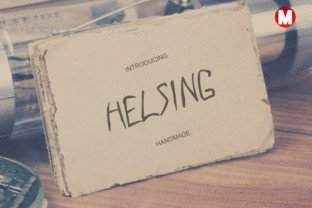
Helsing: A Modern Typeface for Elegant Design
When it comes to typography, the right font can transform a design from ordinary to extraordinary. Helsing is a fresh, modern typeface that offers versatility and sophistication, making it ideal for a wide range of creative projects. Whether you're designing invitations, greeting cards, branding materials, or posters, Helsing brings a clean and professional look that stands out.
But while Helsing may seem like an obvious choice, there are several common mistakes and misunderstandings that can affect how well it works for your specific needs. Understanding these pitfalls can help you make better decisions and achieve more effective results with this typeface.
What Is Helsing and Why It Matters
Helsing is a contemporary sans-serif typeface designed with clarity and elegance in mind. Its balanced structure and subtle details make it suitable for both digital and print applications. The font’s legibility at various sizes and its adaptable style mean it can be used in everything from small business cards to large-scale posters.
For designers, marketers, and entrepreneurs, Helsing provides a reliable option that balances modern aesthetics with readability. It's particularly useful for projects that require a professional yet approachable look, such as branding campaigns, social media graphics, or content-driven designs.
Misconceptions About Helsing’s Usability
One common mistake is assuming that all modern typefaces are interchangeable. While Helsing is versatile, it may not suit every project. For instance, using it in a highly decorative context might dilute its intended effect. Helsing excels in clean, minimalist designs but could feel out of place in more elaborate or ornate layouts.
Another misunderstanding is thinking that a font's popularity equates to its suitability. Helsing may be trending, but it's important to evaluate whether it aligns with your brand’s identity or the message you want to convey. A mismatch can lead to confusion or a lack of visual coherence in your work.
How to Avoid Common Pitfalls
To avoid these issues, start by considering the purpose of your design. Ask yourself: What tone do I want to communicate? Who is my audience? If your goal is to create a sense of professionalism and clarity, Helsing is a strong candidate. However, if you're aiming for a more whimsical or traditional feel, you may need a different typeface.
It's also wise to test Helsing in different contexts before finalizing your design. Experiment with varying sizes, colors, and backgrounds to see how it performs. This step can reveal potential issues that might not be obvious at first glance.
Overlooking Licensing and Usage Rights
Another critical consideration is the licensing of Helsing. Many designers overlook the terms of use, which can lead to legal complications. Some fonts come with restrictions on commercial use, redistribution, or modification. Before downloading or purchasing Helsing, always review the license agreement to ensure it aligns with your intended use.
For example, if you plan to use Helsing in a client project, you need to confirm that the license allows for such usage. Failure to do so could result in costly legal issues or the need to replace the font later.
Ignoring the Importance of Font Pairing
Even the best typefaces can fall flat if paired poorly with other fonts. Helsing works well with a variety of complementary fonts, but choosing the wrong ones can create visual clutter or reduce readability. A common mistake is using too many similar fonts in a single design, which can confuse the viewer and weaken the overall message.
A better approach is to pair Helsing with a contrasting typeface that enhances its strengths. For instance, pairing it with a serif font like Georgia or Times New Roman can add warmth and depth to your design. Alternatively, using a bold, geometric sans-serif can create a dynamic and modern look.
Not Considering Accessibility and Readability
Accessibility is a crucial factor in design, and Helsing is no exception. While it’s visually appealing, it’s important to ensure that it remains readable for all users, including those with visual impairments. One mistake is using Helsing in very small sizes or with low contrast, which can make text difficult to read.
To improve accessibility, choose appropriate font sizes and ensure sufficient contrast between the text and background. For example, using Helsing on a dark background with light text can enhance visibility, while keeping the font size above 14px ensures it remains legible on screens and in print.
Final Tips for Using Helsing Effectively
Before committing to Helsing, take the time to explore its features and limitations. Check for available weights and styles, as these can impact how the font looks in different applications. Also, consider the platform where the design will be used—Helsing may render differently on web versus print, so testing across mediums is essential.
Finally, don’t hesitate to seek feedback from others. A fresh perspective can highlight issues you may have missed and offer valuable insights into how Helsing performs in real-world scenarios.