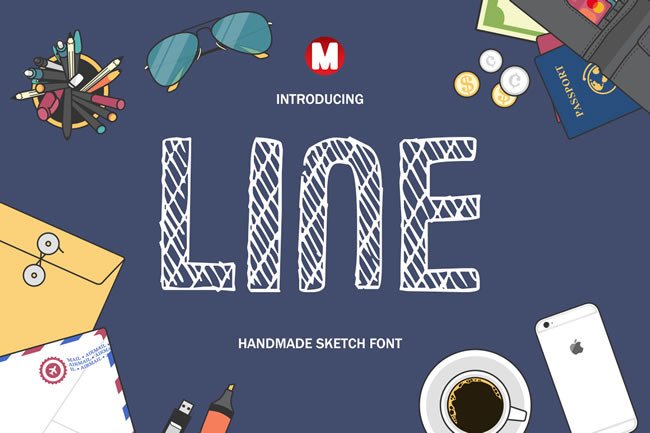
Line: A Handmade Sketch Font for Playful and Personal Design
If you're looking for a font that adds a personal, artistic touch to your designs, Line might be exactly what you need. This handmade sketch font brings a sense of warmth and creativity to any project, making it ideal for those who want to stand out from the usual digital typefaces.
What Is Line?
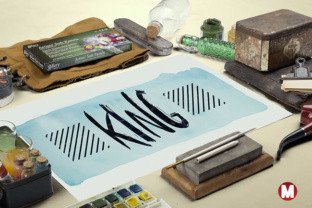
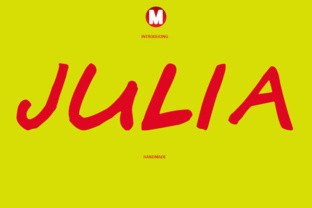
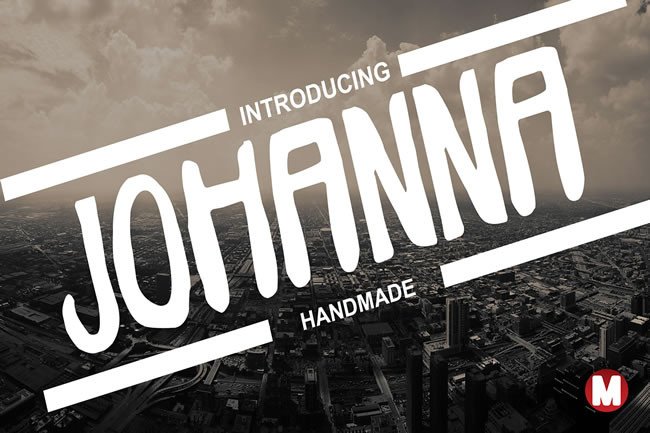
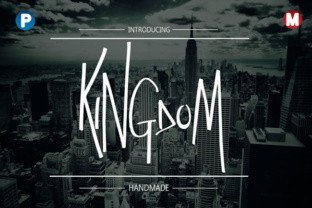
Line is more than just a font—it's a design tool that captures the essence of hand-drawn art. Its irregular strokes and subtle imperfections give it a unique, authentic feel. Unlike mass-produced fonts, Line feels like it was created by someone with a passion for drawing, which makes it perfect for projects that require a human touch.
When to Use Line
Line shines in situations where a personal or creative flair is needed. Whether you're designing an invitation for a friend's wedding, creating a greeting card for a special occasion, or working on branding materials for a small business, Line can help you convey emotion and individuality through typography.
For example, if you're a small business owner looking to create a logo or packaging design, Line can add a distinctive character that sets your brand apart. It’s also great for bloggers or educators who want to make their content more engaging with visually appealing text.
Real-World Applications of Line
Line is versatile enough to work in a variety of settings. Let's explore some practical scenarios where this font can make a difference:
- Invitations and Greeting Cards: Line adds a warm, personal feel to invitations for weddings, birthdays, or thank-you notes. Its playful style makes it ideal for events that value creativity and individuality.
- Branding Materials: For entrepreneurs or artists launching a new product or service, Line can bring a handmade quality to logos, business cards, and promotional materials. It helps convey authenticity and craftsmanship.
- Quotes and Posters: If you're creating motivational posters, social media graphics, or inspirational quotes, Line can add a visual element that feels more approachable and human.
- Printed Materials: From brochures to flyers, Line can enhance the aesthetic of printed documents, especially when paired with other design elements like illustrations or watercolor backgrounds.
Who Benefits from Using Line?
Line appeals to a wide range of users, each finding different value in its design. Here are a few examples:
- Creators and Artists: For those who work with visual storytelling, Line offers a way to express their personality through typography. It complements artwork and helps maintain a cohesive style across different mediums.
- Entrepreneurs and Small Business Owners: Line can help differentiate a brand in a crowded market. Its handmade look gives the impression of care and attention to detail, which can build trust with customers.
- Marketers and Content Creators: When designing social media posts, email newsletters, or advertisements, Line adds a unique visual identity that stands out from generic fonts.
- Educators and Students: Teachers and students can use Line to create more engaging lesson plans, presentations, or classroom materials. Its playful nature can make learning more fun and interactive.
Considerations Before Using Line
While Line is a powerful tool, it's important to consider how it fits into your overall design. Here are a few things to keep in mind:
- Readability: Because of its sketchy style, Line may not be the best choice for long blocks of text. It works best in short phrases, headings, or decorative elements.
- Context: Consider the tone of your project. Line is ideal for casual, creative, or artistic contexts but may not be suitable for formal or professional environments.
- Design Balance: Pairing Line with other fonts or design elements can help maintain visual harmony. For example, using a clean sans-serif font alongside Line can create a balanced and modern look.
- Platform Compatibility: Make sure Line is compatible with the software or platform you're using. Some tools may require specific file formats or licensing agreements.
How to Get the Most Out of Line
To truly benefit from Line, think about how it can enhance your specific needs. If you're working on a project that values creativity and personal expression, Line can be a valuable addition to your design toolkit. Experiment with different sizes, colors, and layouts to see how it interacts with other elements.
For instance, if you're designing a poster for a local event, try using Line for the title and a more traditional font for the details. This contrast can draw attention while keeping the information clear. Similarly, if you're creating a website or blog, using Line in headers or call-to-action buttons can add visual interest without overwhelming the reader.
Final Thoughts
Line is more than just a font—it's a way to bring a personal, creative touch to your work. Whether you're a designer, entrepreneur, educator, or hobbyist, this handmade sketch font can help you express yourself in a unique and meaningful way. By understanding its strengths and limitations, you can use Line effectively to enhance your designs and connect with your audience on a deeper level.