Julia: A Handmade Typeface for Modern Design
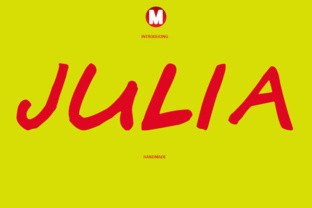
Julia is a handmade typeface that blends traditional craftsmanship with contemporary design. Its unique aesthetic makes it ideal for a variety of creative projects, from invitations to branding materials. Designed with care, Julia offers a fresh and modern look that stands out in a crowded market of digital fonts.
Unlike many mass-produced typefaces, Julia carries the subtle imperfections of hand-drawn letterforms. These characteristics add warmth and personality, making it particularly well-suited for designs that aim to feel more authentic or personal. Whether used in print or digital formats, Julia brings a sense of individuality to any project.
What Makes Julia Distinct?
One of the key features of Julia is its balance between structure and spontaneity. The typeface maintains readability while incorporating fluid strokes and organic shapes. This combination allows it to be both functional and expressive, appealing to designers who want to convey emotion without sacrificing clarity.
The weight and spacing of Julia are carefully calibrated to ensure versatility. It works well in both large headlines and smaller body text, adapting to different design needs. Its legibility at various sizes makes it a practical choice for everything from business cards to posters.
Another distinguishing factor is its adaptability across mediums. Julia’s design translates smoothly from print to screen, maintaining its visual integrity in both contexts. This flexibility is especially valuable for designers working on multi-platform projects.
How Julia Compares to Other Handmade Typefaces
When compared to other handmade typefaces, Julia occupies a unique space. Many similar fonts lean heavily into either a rustic or highly stylized aesthetic. Julia, however, strikes a middle ground—offering a clean yet expressive look that avoids being too extreme in either direction.
For example, some handmade typefaces may emphasize rough edges or uneven lines, which can make them less suitable for professional settings. Julia, by contrast, maintains a level of refinement that allows it to fit into a broader range of design scenarios. This makes it a more flexible option for designers who need a font that can work in both casual and formal contexts.
Compared to more structured typefaces like serif or sans-serif fonts, Julia offers a distinct alternative. While those styles are often associated with tradition or minimalism, Julia provides a way to introduce a human touch without compromising on professionalism. This makes it a compelling choice for projects that aim to feel more personal or creative.
Best Fit Situations for Julia
Julia is particularly well-suited for projects that require a blend of creativity and clarity. Invitations and greeting cards often benefit from its expressive style, as it adds a sense of thoughtfulness and individuality. Its readability ensures that important information remains easy to understand, even when paired with decorative elements.
Branding materials can also benefit from Julia’s unique character. For businesses looking to stand out while maintaining a polished image, Julia offers a way to differentiate their identity without appearing overly unconventional. It can be used in logos, taglines, or supporting text to create a cohesive and memorable visual language.
Posters and quotes are another area where Julia shines. Its strong visual presence makes it effective for headings and captions, while its subtle variations in stroke weight add depth and interest. This makes it a good choice for designers who want to create visually engaging content without relying on complex layouts.
Tradeoffs and Limitations
While Julia has many strengths, it may not be the best choice for every project. Its handmade nature means that it may not have the same level of consistency as more rigidly designed typefaces. This can be a drawback in situations where uniformity is critical, such as in long-form documents or technical publications.
Additionally, Julia’s expressive style may not align with all design aesthetics. Some projects may require a more neutral or minimalist approach, in which case a simpler typeface could be more appropriate. Designers should consider the overall tone and purpose of their work before choosing Julia.
Another consideration is the availability of support and resources. Unlike widely used typefaces, Julia may have fewer tutorials, templates, or community discussions available. This can make it slightly more challenging for users who are unfamiliar with its specific characteristics.
When Julia Is the Right Choice
Julia is an excellent choice when the goal is to add a personal or artistic touch to a design. It works well for projects that aim to feel more human or expressive, such as wedding invitations, artisanal branding, or creative marketing campaigns. Its ability to balance style with readability makes it a practical option for these types of applications.
For designers who are looking to move beyond standard typefaces, Julia offers a refreshing alternative. It can help differentiate a project from others that use more conventional fonts, giving it a unique identity. This is especially valuable in competitive markets where standing out is essential.
Julia is also a good fit for those who appreciate the value of handmade elements in design. Its subtle imperfections and organic feel can enhance the emotional impact of a project, making it a meaningful choice for designers who prioritize authenticity.
When to Consider Alternatives
If a project requires a high degree of consistency or neutrality, alternatives to Julia may be more appropriate. For instance, a corporate brochure or a technical manual might benefit from a more structured typeface that emphasizes clarity over style. In such cases, the focus is on readability rather than visual flair.
Similarly, if a designer is working on a project that demands a very specific aesthetic, such as a retro or futuristic theme, they may find that other typefaces better suit the intended mood. Julia’s modern handmade style may not align with all historical or conceptual themes.
For those who need extensive support or pre-designed templates, other typefaces with larger communities and more resources might be a better option. This is especially true for beginners who are still learning about typography and may benefit from more guidance.
Practical Examples of Julia in Use
Consider a small business owner creating a custom invitation for a boutique event. Using Julia would allow them to convey a sense of elegance and individuality, while still keeping the text easy to read. The font’s handmade quality complements the event’s theme, making it a fitting choice.
A designer working on a brand identity for an independent coffee shop might choose Julia for the logo and website copy. The font’s warmth and expressiveness align with the shop’s welcoming atmosphere, helping to create a consistent and inviting visual language.
For a poster promoting an art exhibition, Julia could serve as the headline font. Its strong visual presence would draw attention, while its subtle variations would add interest and depth. This makes it an effective tool for capturing the essence of the event.